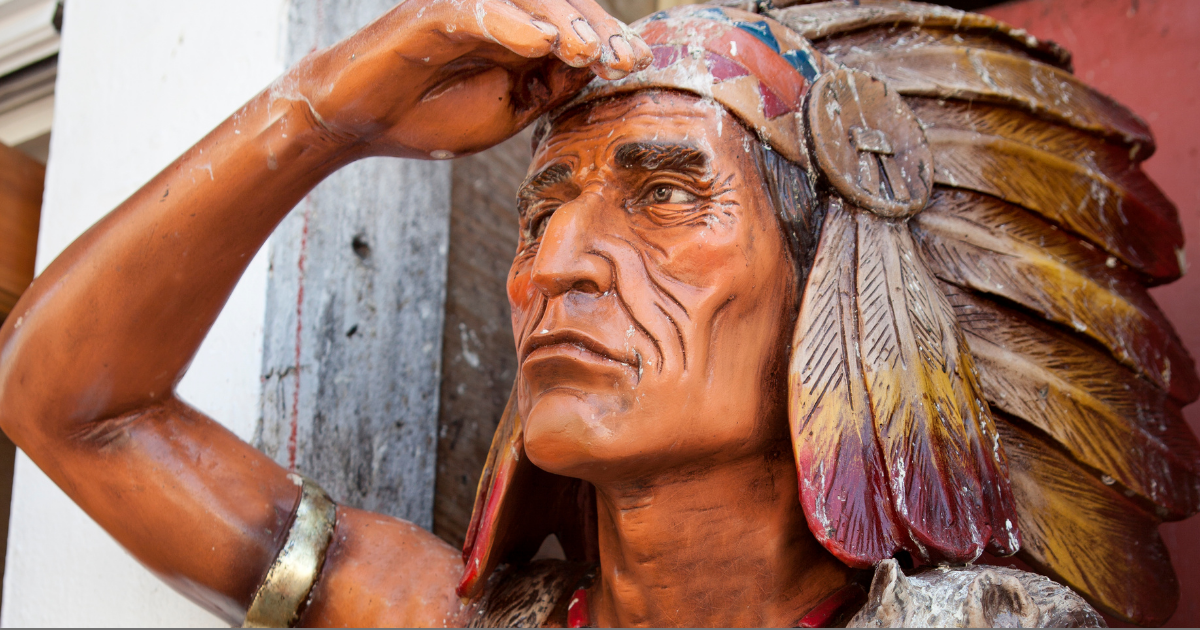
Walk into a vintage cigar shop, and you might find yourself face to face with a wooden figure standing sentinel near the entrance — stoic, feathered, and instantly recognizable. The “Cigar Store Indian,” as it's commonly known, is more than just an ornamental piece. It’s a relic of a bygone era, a symbol of tobacco’s long and storied past, and a topic of evolving cultural significance.
This carved figure has stood outside cigar shops for centuries, acting as a form of branding in a time when few could read. Over time, it became an enduring — and controversial — icon in the history of cigars. Join us as we take a deep dive into the origins, evolution, and cultural implications of the Cigar Store Indian.
The Origins: Tobacco and Indigenous Roots
To understand the significance of the cigar store Indian, we must first acknowledge tobacco’s indigenous origins. Long before Europeans arrived in the Americas, Native American tribes cultivated and used tobacco for ceremonial, medicinal, and social purposes. Tribes such as the Iroquois, Cherokee, and Sioux considered tobacco sacred — a plant often used to communicate with the spiritual world.
When European explorers encountered tobacco in the New World in the 15th and 16th centuries, they quickly realized its commercial potential. As the plant made its way back to Europe, it became a luxury commodity. Over time, it grew into a global industry — and one of the earliest consumer products marketed with distinctive visual branding.
The Birth of a Symbol: 17th Century Europe
As tobacco gained popularity in Europe, tobacconists sought ways to advertise their products. In the 17th century, especially in England, shop owners began using signs to attract customers. Since literacy rates were low among the general public, visual signage was crucial. Bakers had bread loaves, barbers had striped poles — and tobacconists? They had wooden figures representing Native Americans.
The image of the “noble savage” — a romanticized and often inaccurate portrayal of indigenous people — was a common trope in European art and literature. Since Native Americans were associated with the discovery and early use of tobacco, they became a natural (if reductive) symbol for the trade. These early figures weren’t always detailed or realistic; they often reflected European fantasies more than actual indigenous cultures.
Originally, these figures were small carvings placed outside shops. Over time, they evolved into full-size statues, often hand-carved from wood and painted in bright colors. They typically depicted a Native American man holding cigars, tobacco leaves, or pipes.
The Cigar Store Indian Comes to America
As the tobacco trade flourished in the Americas, so too did the tradition of using the Cigar Store Indian as signage. In the United States, this form of advertisement became widespread in the 18th and 19th centuries. These statues stood outside tobacconists’ shops in major cities and small towns alike, from New York to San Francisco.
Often towering at six feet tall, the statues were crafted by skilled artisans, many of whom were immigrants trained in woodcarving. The most famous among them was Samuel Robb, a former medical student turned sculptor who ran a successful carving shop in New York City in the late 1800s. Robb and his contemporaries elevated the Cigar Store Indian into an art form — blending folk tradition, commerce, and craft.
Each statue was unique, carved from a single block of wood, often white pine or basswood. The details varied: some figures were depicted in full headdresses, others wore loincloths or carried tomahawks. Despite the variance, they all served the same function — to mark the presence of a tobacco shop and entice customers.
Cultural Significance and Changing Perceptions
For decades, the Cigar Store Indian was a beloved and familiar symbol, much like the barber pole or the apothecary's mortar and pestle. But as America’s cultural awareness grew, so did scrutiny of stereotypical representations.
By the mid-20th century, Native American advocacy groups began calling attention to the caricatured and often offensive portrayals embodied in these statues. While the cigar store Indian was rooted in historical connections to tobacco, its execution frequently reduced complex and diverse Native cultures to simplistic symbols. The statues were seen as part of a broader pattern of misrepresentation and marginalization.
In addition, shifts in marketing and urban development led to the decline of such visual signage. Cities implemented zoning laws that banned sidewalk obstructions. At the same time, literacy rates rose, and advertising moved to print, radio, and later television. The once-ubiquitous cigar store Indian slowly began disappearing from storefronts.
From Sidewalks to Collections: The Modern Fate of the Cigar Store Indian
Today, original cigar store Indians are rare and valuable collector’s items. Antique dealers and museums prize them for their craftsmanship and historical value. Some statues fetch tens of thousands of dollars at auction, particularly those created by known artisans like Samuel Robb or Thomas V. Brooks.
They are no longer functional advertisements but preserved artifacts of Americana. You might find them in museums of folk art, tobacco museums, or private collections of cigar aficionados. For many cigar lovers, the statue represents a link to the golden age of tobacco — a nostalgic emblem of a time when cigar shops were neighborhood institutions and the culture around cigars was more public and celebrated.
However, that nostalgia is tempered by modern awareness. Institutions now contextualize the cigar store Indian within broader discussions of race, representation, and historical memory. Some shops still display them — not as active signage but as a nod to tradition, often accompanied by educational material about their origins and significance.