Exploring Cigar Flavor Profiles
As a cigar enthusiast, delving into cigar tasting opens up a fascinating journey of discovery. Understanding the intricate world of cigar flavor profiles allows me to appreciate the rich diversity of tastes and aromas that different cigars offer.
Understanding Cigar Tasting
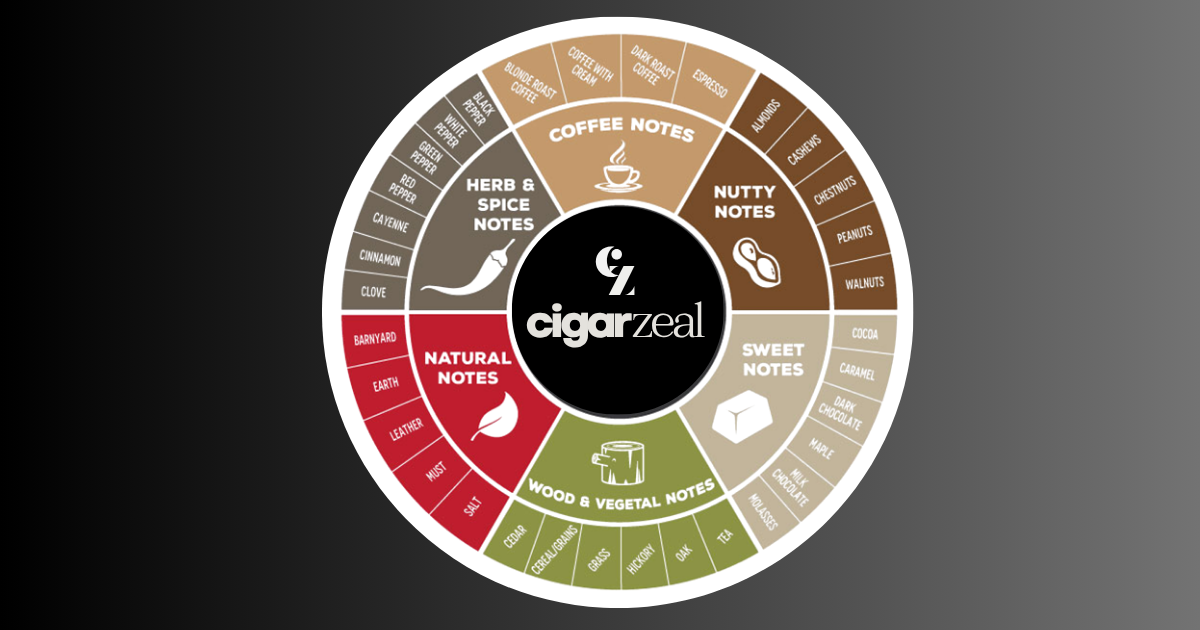
Cigar tasting involves more than just savoring the smoke; it's about connecting with the nuances of flavor that each cigar possesses. The cigar flavor profiles can be described using a vocabulary that depicts the range of flavors and sensations experienced during the tasting process. From tingling to stinging sensations in various parts of the mouth, throat, palate, nasal passages, and nose, every puff reveals a layer of complexity that captivates the senses.
Influential Factors in Flavor
A plethora of factors contributes to the distinct flavor profiles in cigars, making each cigar a unique sensory experience. The soil and growing conditions in which the tobacco is cultivated play a pivotal role in shaping the flavor of the leaves. The terroir, fermentation, blending techniques, and aging processes further refine the taste, creating a symphony of flavors that tantalize the palate.
Nicaragua, known for its volcanic-rich soil and favorable growing conditions, produces cigars that rival Cuban offerings in flavor. Nicaraguan cigars are characterized by their bold and powerful profiles, with spicy and peppery notes intermingled with hints of earth and leather. This diversity in flavors mirrors the country's rich heritage of crafting exceptional tobacco blends (Famous Smoke).
Regions like the Dominican Republic, Nicaragua, and Honduras stand out for their exceptional craftsmanship in producing superior cigar wrappers. The wrappers play a pivotal role in influencing the flavor profiles by imparting nutty undertones that vary based on the type of tobacco and wrappers used. This diversity adds a layer of complexity to the flavor profiles, showcasing the artistry and expertise of cigar makers from different regions (Cuenca Cigars).
Mastering the art of tasting cigars involves paying attention to subtle details such as the burn quality. Improper burning, such as uneven burning or tunneling, can distort the flavor profile and impact the overall taste experience. Achieving an even burn is essential for experiencing the intended flavor transitions and enjoying the full spectrum of flavors a cigar has to offer.
By immersing myself in the world of cigar flavor profiles and understanding the influential factors at play, I gain a deeper appreciation for the artistry and complexity that each cigar embodies.
Key Tobacco Regions
As I delve into the world of cigar flavor profiles, exploring the distinctive characteristics of different tobacco regions becomes an enriching journey. Let's venture into the essence of Dominican, Honduran, Nicaraguan, and the influences of Brazilian and Peruvian tobacco in the art of cigar making.
Dominican Tobacco Characteristics
Dominican tobacco is renowned for its mellow nature, but this reputation doesn't encompass all its varieties. The Dominican Republic cultivates some of the finest cigar tobaccos, housing esteemed brands like Arturo Fuente, Macanudo, and Montecristo. The tobacco from this region can offer a diverse range of flavors and complexities, adding depth to the overall cigar experience.
Honduran Tobacco Varieties
Honduran tobacco presents a different profile, often characterized as medium to full-bodied with earthy and flinty undertones. Cigar brands hailing from Honduras, such as Punch, Hoyo de Monterrey, Gispert, and Camacho, boast distinctive flavors that cater to enthusiasts seeking a robust and flavorful smoking experience (Pipes and Cigars). The Honduran tobacco landscape adds a touch of boldness to the tapestry of cigar flavors.
Nicaraguan Tobacco Profiles
Nicaraguan tobacco stands out for its robust and spicy nature, delivering complex flavor profiles that captivate the senses. Cigar brands like Padron, Joya de Nicaragua, and creations by Don Pepin Garcia showcase the richness and authenticity of Nicaraguan tobacco. The tobacco from Nicaragua adds depth, spice, and a delightful complexity to cigar blends, making it a beloved choice among aficionados.
Brazilian and Peruvian Influence
Brazilian tobaccos, notably the Mata Fina and Arapiraca varieties, bring a unique flair to cigar blends with their rich, toasty, and spicy notes. The maduro versions of Brazilian tobacco stand out for their exceptional quality, as seen in cigars like CAO Brazilia and Gurkha’s Ancient Warrior. These distinct flavors add a layer of sophistication and depth to the world of cigars, appealing to those who seek a refined smoking experience (Pipes and Cigars).
Peruvian tobacco, though used in smaller quantities in cigar blends, contributes a rich and complex character to the overall flavor profile. Known for its smooth spice notes and lack of harshness found in heavier cigar leaves, Peruvian tobacco adds a subtle yet impactful dimension to cigar blends. Its nuanced qualities enhance the overall smoking experience, making it a cherished component among discerning cigar enthusiasts.
Flavor Components in Cigars
As I delve into the intricate world of cigar tasting, it becomes evident that understanding the flavor components is essential to truly appreciate the nuances of different cigar blends and profiles.
Primary Taste Elements
In the realm of cigar flavor profiles, the primary taste elements play a fundamental role in shaping the overall experience. When I take a puff of a cigar, my taste buds are greeted with a symphony of flavors that can be categorized into four basic tastes: sweet, sour, salty, and bitter. Renowned cigar makers like Carlos Fuente Jr. and Hendrik Kelner emphasize the importance of taste and aroma in their craft, using descriptors like acidic, salty, bitter, and sweet to characterize the diverse range of cigar flavors.
It's fascinating to note that achieving a harmonious balance of these taste elements is a delicate art. The interplay of different tobacco types sourced from various regions, varieties, and harvests is what contributes to the complexity and richness of a well-crafted cigar.
Impact of Soil and Growing Conditions
A critical factor that significantly influences the flavor of a cigar is the soil and growing conditions where the tobacco is cultivated. The quality of the soil, the nutrients it provides, and the unique characteristics of the growing region all leave their mark on the final taste of the tobacco.
For instance, countries like Nicaragua boast rich volcanic soil akin to Cuba, resulting in cigars with powerful and bold flavors. Nicaraguan cigars often exhibit spicy and peppery notes, accompanied by hints of earth and leather, making them a favorite among cigar enthusiasts seeking robust flavors (Famous Smoke).
Role of Harvesting and Aging
The process of harvesting and aging tobacco leaves is another critical aspect that contributes to the flavor complexity of cigars. From the moment the tobacco is harvested to the time it undergoes fermentation and aging, each step influences the final taste profile of the cigar.
The aging process allows the flavors to mellow and meld together, creating a more refined and balanced smoke. It is during this period that the tobacco develops its character, evolving from rawness to sophistication. The patience and expertise involved in aging tobacco are what yield cigars with depth, maturity, and a distinctive flavor signature.
Understanding how the soil, growing conditions, harvesting, and aging processes impact the flavor components of cigars enriches my journey into the world of cigar tasting. It's a voyage of discovery that unveils the intricate tapestry of flavors woven into every cigar, inviting me to savor each puff with newfound appreciation.
Crafting Diverse Flavor Profiles
As I embark on exploring the intricate world of cigar flavor profiles, I delve into the artistry behind crafting unique tastes and experiences. Crafting diverse flavor profiles involves a harmonious blend of various techniques and elements to achieve a symphony of flavors that captivate the senses.
Blending Techniques
Blending techniques are at the heart of creating exquisite cigar flavor profiles. Master blenders skillfully combine different tobaccos from various regions to achieve a harmonious balance of flavors. By artfully mixing filler tobaccos from countries such as Brazil, Mexico, Nicaragua, and the Dominican Republic, blenders can create cigars that boast a diverse range of tastes, from nutty spice to sweet undertones.
Each component of the blend contributes distinct characteristics, enhancing the complexity and depth of the cigar's flavor profile. Through meticulous experimentation and expertise, blenders can create cigars that offer a truly exceptional tasting experience.
Wrapper Influence on Taste
The wrapper of a cigar is a crucial element that significantly influences its taste. Different wrappers can impart unique nuances and flavors to the smoking experience. For example, a wrapper like Cameroon is known for its subtle taste, while a Maduro wrapper offers rich and bold flavors. The wrapper has the greatest potential impact on the subtle nuances of taste, making it a key factor in determining the overall flavor profile of the cigar (Cigar Aficionado).
Furthermore, the size of the cigar also plays a role in how the wrapper affects the overall taste. Larger ring gauge cigars are less influenced by the wrapper taste compared to smaller cigars. Understanding the wrapper's influence on taste is essential for appreciating the complexity of different cigar blends and selecting a smoke that suits your palate.
Binder and Filler Significance
In the symphony of flavors that is a cigar, the binder and filler tobaccos play essential roles in shaping the overall taste profile. The binder serves as the intermediary between the wrapper and filler, anchoring the blend together. It contributes to the burn qualities and can influence the draw of the cigar.
On the other hand, the filler tobacco dictates the strength and character of the cigar. By selecting filler tobaccos from specific regions known for their flavor profiles, blenders can fine-tune the cigar's taste to evoke notes of peppery spice, earthy undertones, or sweet accents. A well-balanced combination of binder and filler tobaccos is crucial for creating a harmonious and memorable smoking experience.
In conclusion, crafting diverse flavor profiles in cigars is a meticulous art that requires a deep understanding of blending techniques, the influence of the wrapper on taste, and the significance of binder and filler tobaccos. By exploring the intricate details of each component, enthusiasts can enrich their tasting journey and develop a profound appreciation for the nuances of cigar flavors.