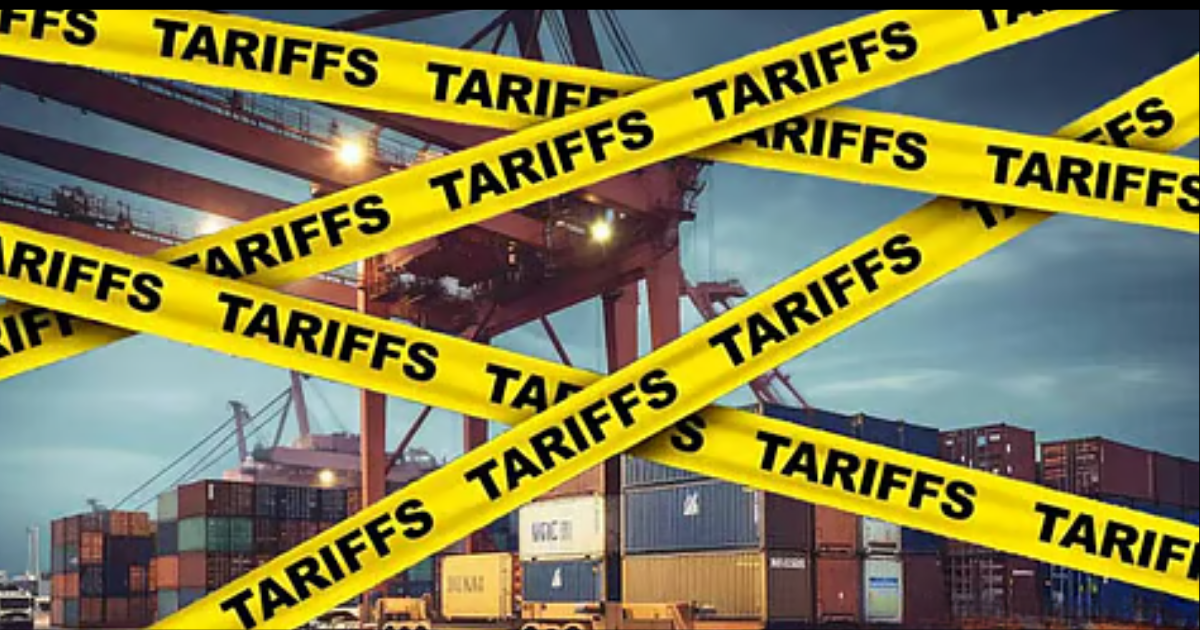
If you’ve ever noticed your favorite cigars inching up in price, you might be feeling the impact of cigar tariff regulations. These rules, set at the governmental level, can have a bigger influence than you might expect on everything from your wallet to the range of brands you enjoy. The good news? Once you grasp how tariffs work, you can make more informed choices about the cigars you purchase and the types of deals you seek out.
By understanding the fundamentals behind these regulations, you’ll see why certain cigars cost more, how rare blends stay on shelves, and what future changes might be on the horizon. So let’s dig in and uncover the ways that tariff policies shape the cigars you bring home.
Explore cigar tariff regulations
When you hear the word “tariff,” it usually sounds like some distant policy that won’t bother your everyday life. But if you’re a dedicated cigar enthusiast, tariffs can cut closer to home. A tariff is simply a tax on imported goods, which often includes cigars produced outside your home country. Governments typically initiate tariffs to shield local industries, maintain balance in trade agreements, or gather revenue.
The fundamentals at a glance
- Imports impacted: Tariffs mainly apply to goods crossing borders, like cigars from the Dominican Republic, Cuba (where legal), Honduras, and beyond.
- Rate variations: Different countries and product categories face different tariff rates. So one premium brand might get taxed at a higher level than a more common cigar.
- Revenue source: Governments use the money to support domestic projects or offset local debts.
It may not seem obvious, but those additional costs can trickle down to you, the consumer. Sometimes retailers absorb a portion of the expense, yet it’s fairly common for them to pass at least part of the difference directly onto cigar lovers. Over time, you might find certain sticks becoming pricier or notice the disappearance of some lesser-known brands if they can’t handle tariff-induced cost increases.
Where regulations come into play
Cigar tariff regulations aren’t static. They can be adjusted as geopolitical relationships shift, public health concerns evolve, or trade deals get renegotiated. At times, governments might increase tariffs overnight, sending retailers scrambling to adjust prices. On other occasions, they might reduce or temporarily suspend some fees to stimulate trade. That rollercoaster effect can leave you celebrating today’s cheaper price tag, only to meet sticker shock a few months later. Being aware of these ups and downs helps you figure out when to stock up on your favorite blends.
Trace the historical background
Tariffs have existed for centuries, and cigars have always been an item of interest in global trade. Economies recognized pretty early that tobacco products, especially premium cigars, could yield a sizable tax revenue thanks to their demand and cross-border appeal. Navigating the backstory of how cigar tariffs developed reveals why they command such attention.
Early tobacco trade
When cigar-making took off in the Caribbean and Latin America, European and North American markets saw a massive uptick in demand. Ports bustled with shipments of tobacco leaves ready to be rolled into premium cigars. Because governments needed funds for infrastructural projects (think roads and canals), they found it convenient to slap tariffs on shipments of those prized leaves. Consumers at the time might not have noticed the difference in cost, since early production paperwork was far from transparent. Over time, though, patterns emerged in which countries favored certain tobacco origins in trade policies.
National pride and economic gain
To protect local tobacco farms, some countries introduced higher import tariffs on foreign cigars. The goal was twofold: keep the local industry thriving and collect tax revenue. This dynamic triggered a patchwork of rules, especially in places like the United States, where certain states also levied additional taxes on top of federal ones. In other words, you might have been paying a slightly different price based on which state you lived in. That created confusion and, occasionally, frustration for cigar fans who traveled from one place to another looking for deals.
Modern shifts
Fast-forward to more recent decades, and you’ll find trade agreements between countries changing the game. Some treaties lower or remove tariffs on specific imports (including cigars), particularly to encourage trade relationships. In other cases, political tensions can cause new tariffs to spring up. If you’ve ever scratched your head about why a certain brand was suddenly missing from your local shop, or why it jumped by $2 a stick, a new regulation might be the culprit.
See how tariffs affect your costs
You’ve probably guessed the main outcome: tariffs can increase cigar prices at the register. But the situation isn’t always cut and dried, and not all cost changes are the same. Different manufacturers and retailers handle tariffs differently, so your experience may vary widely from one label to another.
Direct impact on retail prices
Imagine a cigar that arrives in your city with a $1 tariff slapped onto each stick. When the retailer adds a standard markup on top of the base cost, that extra dollar, plus its own margin, can push the final price to $1.20 or $1.50 more per cigar. If you only buy an occasional stogie, that might not break the bank. But if you’re stocking up for a big gathering or you enjoy a daily smoke, it adds up.
Hidden costs beyond the ticket price
Tariffs aren’t just about simple taxes. Sometimes, complicated paperwork, fees for compliance, and storage requirements introduce more expenses for importers. For instance, if a shipment is stuck at customs while authorities verify that all tariff regulations are followed, the importer might pay additional warehousing or administrative fees. That inevitably filters down the chain, boosting the price you pay in the shop or online.
Price variance among brands
Certain cigar makers operate production facilities in multiple countries to bypass steeper tariffs. Others might have exclusive deals with importers who can negotiate better rates. You may notice some premium labels are relatively unaffected by new regulations, while smaller or boutique brands spike in cost. When you see an unusually high price tag, it’s worth inquiring if tariff compliance or special import fees have triggered it. You might decide to wait for a brand-wide promotion or pivot to a similar cigar that’s unaffected.
Learn about quality and availability
Cost is definitely a concern, but your access to high-quality cigars matters too. Surprisingly, tariff policies can have a direct effect on which blends end up in your local store and how fresh they remain once you lay hands on them.
Effect on supply chains
Lower supply can arise if hefty tariffs discourage retailers from stocking overseas brands or if certain import routes get slowed down by red tape. You might find that your go-to brand starts taking an extra week or two to arrive in shops, meaning it spends longer in transit. Extended shipping can sometimes affect freshness unless the right humidity controls are in place every step of the way.
Shift in brand variety
Tariffs may force shops to scale back on variety. Carrying dozens of different lines can be a gamble if import fees run high or if sales aren’t guaranteed. Retailers might end up focusing on local favorites or cost-effective cigars that come with fewer import hurdles. For you, that can mean discovering fewer unique regional blends if regulations tighten.
Balancing quality with price
One advantage of living in a globalized world is that you can still hunt down many cigars online. But be mindful that online merchants often face the same tariffs as brick-and-mortar stores. If you notice a brand’s price skyrocketing, double-check whether you’re simply paying for hype or if real import taxes are to blame. On the flip side, when tariffs drop or new trade deals get passed, you can sometimes snag premium sticks at more appealing prices.
Understand the role of free trade agreements
Not every cigar you buy is necessarily saddled with a big import tax. Some countries have signed free trade agreements (FTAs) allowing certain tobacco and cigar products to cross borders with minimized tariffs or none at all. Recognizing how these alliances work can help you anticipate which cigars might remain more affordable.
Key features of FTAs
- Lowered or zero tariffs: Some deals gradually reduce import taxes over several years, giving importers and exporters time to adjust.
- Simplified paperwork: FTAs often come with streamlined customs procedures, leading to quicker entry for cigars and fewer behind-the-scenes fees.
- Region-specific benefits: Certain countries cluster together in trade blocs (like the European Union) to collectively remove tariffs across member states.
Why it matters to you
If you’re shopping for a popular Honduran cigar and your home country has a favorable trade deal with Honduras, you might see stable, lower prices on that lineup. Meanwhile, brands from other nations without an agreement may experience more fluctuations. Over time, you might also notice a brand from a recently added partner country entering the market with fresh blends. If you’re the type of cigar fan who loves sampling new flavors, these evolving trade partnerships can help you discover gems you wouldn’t otherwise encounter.
Beyond the official agreements
It’s not always as simple as “free trade equals cheap cigars.” Some deals come with rules about specific product categories or quotas, so only a limited amount of tobacco or finished cigars can qualify for reduced tariffs. If imports exceed that quota, higher fees may kick in. Staying up to date on your region’s trade deals is a great way to predict which cigars will soon arrive at lower prices or see a broader distribution. When you want to plan your next big cigar purchase, paying attention to details like these can pay off in your wallet.
Check tips for staying informed
Since regulations can shift with government priorities, it helps to keep track of the conversation around tariffs. You don’t need a degree in political science, but a little awareness goes a long way. By staying informed, you can spot timing opportunities—like new trade agreements or lowered tariffs—to get better deals on your next box of premium cigars.
Where to look for updates
- Cigar industry news sites: Independent websites and magazines often publish updates on international trade changes that affect tobacco.
- Trade association bulletins: Groups focused on premium cigars frequently share bulletins, especially if a major tariff adjustment threatens to shake up prices.
- Groups and forums: Engaging in online cigar communities can get you the inside scoop on how new policies impact different brands. Fellow aficionados often post real-life intel about price increases or stock shortages.
- Government trade portals: Some governments maintain public databases that list current tariff rates. While not the most fun read, these sources give direct data.
Building a strategy
If you’re worried about sudden tariff hikes, consider stocking up on your favorites when the forecast suggests an upcoming increase. Conversely, you might wait for a tariff drop in the pipeline. Cigar events, samplers, and promotions can also cushion the blow from newly raised fees. Although no strategy is foolproof—since regulations shift unexpectedly—you can at least reduce surprises by recognizing the signs of an incoming change.
Questions to ask your retailer
- Did brand X’s price jump because of new import taxes or other reasons?
- Does your shop expect any shipping delays from region Y in the coming months?
- Are there similar cigars with fewer import hurdles?
A friendly chat with your preferred cigar seller can reveal more practical tips than you might expect. Local retailers often attend industry trade shows or have direct lines of communication with importers who have the scoop on changing fees.
Summarize the big picture
Ultimately, tariff regulations add a dynamic layer to your cigar journey. You might pay a bit more for certain blends, see lower stock of niche brands, or discover new favorites thanks to trade deals that open doors. While these policies may sound complicated, you don’t have to be at their mercy.
By staying aware of shifting fees and connecting with fellow enthusiasts, you can anticipate emerging opportunities. Some years you’ll find killer deals, while other times you’ll pay a premium. Whichever way the wind blows, at least you’ll know why it’s happening and what strategies you can use to keep your cigar experience as smooth and enjoyable as that final exhale. And if you pick up a new personal favorite along the way, consider that a silver lining to the world of ever-changing cigar tariff regulations.